
Best Soil and Nutrients for Growing High-CBD Cannabis Strains
Growing high-CBD cannabis strains requires careful attention in order to soil composition and nutrient management to ensure optimal herb health, cannabinoid content material, and yield. In contrast to high-THC strains, CBD-rich cannabis plants have specific nutrient demands to maximize their own potential. In this article, you will explore the best dirt types and nutritional regimens for cultivating high-CBD cannabis.
Comprehending Soil Composition with regard to High-CBD Cannabis
just one. Ideal Soil Kind
The best ground for high-CBD marijuana needs to be well-aerated, life-giving, and still have excellent drainage properties. Here usually are the key qualities to consider:
Loamy Soil: A blend of sand, silt, and clay provides an optimal balance involving drainage and nutritional retention.
Sandy Loam: Offers excellent draining and aeration, protecting against root rot in addition to fungal infections.
Organic-Rich Soil: High amounts of organic matter (such as compost) ensure a steady launching of nutrients.
ph level Balance: The ideal soil pH variety for high-CBD hashish is between 6th. 0 and seven. 0 to assist in nutrient uptake.
two. Soil Amendments intended for CBD-Rich Cannabis
In order to create the best soil conditions, growers can amend their particular soil with typically the following:
Perlite and even Vermiculite: Improve oygenation and drainage.
Coconut Coir: Helps keep moisture while preventing overwatering issues.
Earthworm Castings: Enhance microbes life and supply slow-release nutrients.
Mycorrhizal Disease: Encourages root enhancement and increases chemical absorption.
Essential Nutrients intended for High-CBD Cannabis
Just like all cannabis crops, high-CBD strains demand three primary macronutrients: nitrogen (N), phosphorus (P), and potassium (K), commonly known to as N-P-K. However, their rate and application vary slightly to improve CBD production.
a single. Macronutrients
Nitrogen (N): Vital for vegetative growth, promoting lavish green leaves plus strong stems. On the other hand, excess nitrogen may lead to too much vegetative growth in the expense of CBD production.
Phosphorus (P): Encourages basic development, flower creation, and resin creation, which is important for CBD-rich trichomes.
Potassium (K): Works with overall plant wellness, improves resistance to diseases, and boosts cannabinoid synthesis.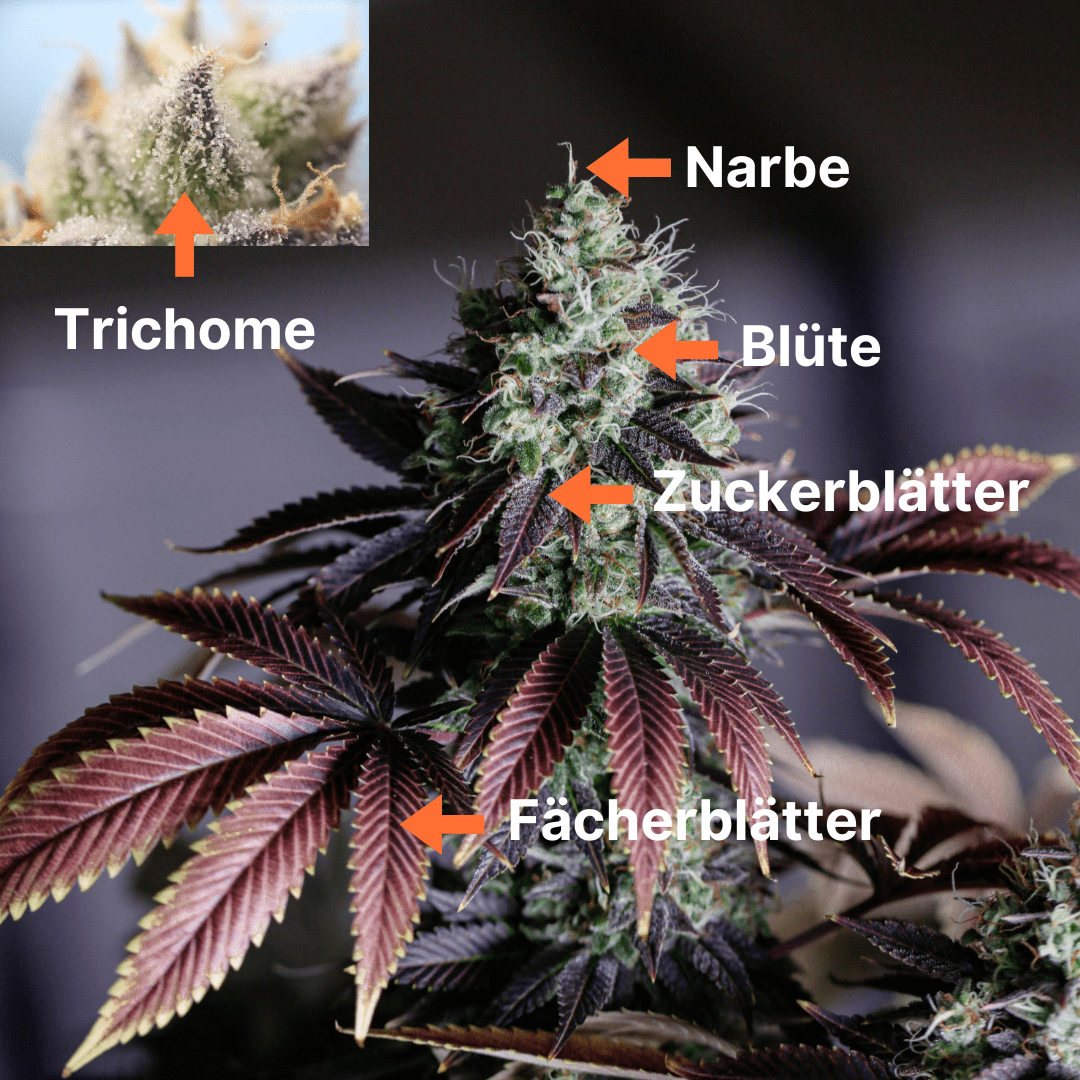
Advised N-P-K Ratios:
Vegetative Stage: 3-1-2 or 4-2-3
Flowering Level: 1-3-4 or 0-3-4 (to reduce nitrogen intake and target on CBD-rich marijuana production)
2. Micronutrients
Micronutrients play a new crucial role inside CBD cannabis nurturing. These include:
Calcium supplement (Ca): Strengthens cell walls and inhibits common deficiencies love blossom end rot.
Magnesium (Mg): Necessary for chlorophyll generation and energy exchange.
Sulfur (S): Helps in amino acid solution and enzyme creation.
Iron (Fe), Zinc (Zn), Manganese (Mn): Promote enzyme capabilities and overall grow metabolism.
Organic compared to. Synthetic Nutrients: Which Is Better?
Any time choosing nutrients with regard to high-CBD cannabis, growers must decide between organic and man made fertilizers.
Organic Nutrients (Preferred for CBD Quality)
Compost Green tea: Enriches soil along with beneficial microbes.
Species of fish Emulsion: Provides nitrogen while being soft on roots.
Such as the Guano: Enhances phosphorus content for flowering.
Kelp and Kelp Extracts: Stimulate your root growth and increase CENTRAL BUSINESS DISTRICT levels.
Molasses: Nourishes beneficial bacteria, increasing soil health.
Manufactured Nutrients (Fast-Acting yet Risky)
Commercial N-P-K Fertilizers: Quick nutrient delivery but can cause nutrient imbalances in case overused.
Hydroponic Nutritional requirements: Useful for soilless setups but need careful pH overseeing.
Organic methods are usually generally recommended regarding high-CBD strains, while they promote terpene and cannabinoid manufacturing without chemical interference.
Watering and Nutrient Application Tips
Tearing Schedule: Keep soil evenly moist but not waterlogged. Overwatering results in root rot and nutrient deficiencies.
Serving Frequency: Feed plant life once a few days during the vegetative stage and twice a week within the flowering phase.
Flushing Before Collect: Stop nutrient program 1-2 weeks just before harvesting to improve CENTRAL BUSINESS DISTRICT purity and remove residual nutrients.
Finest Soil and Nutrient Strategies for In house vs. hop over to this web-site Growing
Indoor Growing
Use pre-amended organic dirt to reduce addiction on liquid nutrients.
Implement controlled eating with compost green teas and organic products.
Monitor humidity and temperature to stop mold and pests.
Outdoor Developing
Use raised beds along with well-draining soil and cover crops regarding nutrient retention.
Apply mulch to keep up soil moisture and temp balance.
Depend on organic and natural fertilizers like manure and worm libéralité for long-term ground health.
Realization
Selecting the best garden soil and nutrients intended for growing high-CBD hashish strains is necessary for producing potent, high-quality buds. By selecting a a well ballanced loamy soil, working with organic amendments, in addition to maintaining proper chemical levels, growers will optimize CBD production while ensuring sustainable and healthy plant growth. Whether augmenting indoors or outdoor, following these rules will cause the successful and satisfying harvest of CBD-rich cannabis.
