
The Legal Status of CBD Oil canada: What Consumers Should Know
CBD is “cannabis” under Canadian law
In Canada, cannabidiol (CBD) isn’t treated just like a separate health and fitness supplement. It’s lawfully cannabis, whether that comes from hemp or marijuana. Of which means CBD essential oil is regulated with the Cannabis Act as well as its regulations, not the Natural Health Items or food frames. Practically, you may only buy CBD products (including CBD oils, capsules, edibles, beverages, and topicals) through legal marijuana channels.
Health Canada’s consumer guidance is definitely explicit: CBD is controlled the similar way as THC. Non-cannabis pathways (e. g., over-the-counter “supplements” in drugstores or perhaps grocery aisles) aren’t allowed.
Where you can legally get CBD
Canada splits responsibility: the federal government permits producers and pieces product standards; provinces and territories manage retail and circulation. For you, which means:
Buy only coming from provincially/territorially authorized shops and also the provincial on the web store.
Avoid “ship anywhere in Canada” websites and social accounts that accept crypto/e-transfer only plus skip age checks—classic signs of illegal sellers.
Look for the cannabis bar stamp on the package deal (colour varies by province/territory).
What a great excise stamp shows you (and what it doesn’t)
The bar stamp confirms the item came from a federally licensed producer which duty seemed to be paid. Each province/territory utilizes a different coloring, and many legal products must carry the particular stamp. Certain low-THC or prescription marijuana products are exceptions.
Age and control limits
Federally, adults may publicly possess up to 25 grams of dried out cannabis (or equivalent). Provinces set typically the minimum purchase/possession age group. Today, that minimal is:
18 inside of Alberta
21 in Quebec
19 inside every other province/territory
The 30-gram general public possession limit is applicable to CBD goods converted into dried-cannabis equivalents.
Can CBD come in regular meals, beverages, or makeup products?
Not outside the particular cannabis system. Adding CBD to regular food or liquids and selling them in grocery or café settings will be not legal. “Edible cannabis” and “cannabis beverages” can only be sold by simply authorized cannabis stores. The identical goes regarding cosmetics: only hemp-derived ingredients without cannabinoids are allowed throughout non-cannabis cosmetics; CENTRAL BUSINESS DISTRICT itself is not acceptable in regular cosmetic makeup products under current rules.
Medical access versus. non-medical CBD
An individual can buy CENTRAL BUSINESS DISTRICT for non-medical (recreational) use from provincially authorized retailers. With regard to medical use, Canadians can register together with a federally certified seller and obtain items directly utilizing a healthcare document from your medical doctor or no; health-related clients will vary ownership rules.
There’s in addition a prescription-only CBD medicine (cannabidiol oral solution, brand title Epidiolex/Epidyolex) approved inside Canada for sure seizure disorders. you could look here is a drug, dispensed through pharmacies with a prescribed, separate from the cannabis retail method.
Bottom line: if you’re using CENTRAL BUSINESS DISTRICT for a health and fitness condition, talk to your specialist. You may qualify for medical access or, depending on your current condition, a pharmaceutical drug CBD medicine—each way has different safe guards and rights.
Venturing with CBD inside (and out of) Canada
Domestic traveling (within Canada): You may travel with cannabis (including CENTRAL BUSINESS DISTRICT products) up in order to the legal property limit provided that you’re of legal age in your origin/destination province/territory. Airports plus airlines follow federal government rules; local international airport pages align with the 30-gram dried comparable limit.
International travel: It remains against the law to cross typically the Canadian border using cannabis, in either direction, even in case you’re travelling to/from a spot where cannabis is legal. This kind of applies to all CBD products. Don’t take it. Don’t try to mail it. Don’t import that when you returning.
Driving and the workplace
CBD by itself isn’t intoxicating, nevertheless many “CBD” items contain trace THC. Impaired driving laws apply to THC, with federal per-se limits and serious penalties. If your own CBD oil isn’t from the legitimate market—or if an individual consume higher-THC “balanced” oils—you could test positive. When inside doubt, don’t commute after consuming cannabis and review your employer’s policies if your work has safety-sensitive responsibilities.
Product quality, labeling, and what to check on before you get
Legal CBD products must meet product packaging, labelling, contaminant, and even potency standards underneath the Cannabis Rules. Labels will show:
The manufacturer and course of cannabis (e. g., extract)
Entire CBD and THC amounts (per product and per service, where relevant)
Standardized health warnings
The excise stamp (where required)
If the product’s label looks flashy, mimics sweets, hides cannabinoid portions, or lacks the excise stamp, assume it’s not legitimate.
Buying CBD on-line: stay in-province
Every province/territory has its lawful online storefront and/or licensed private web commerce retailers. Orders are usually age-verified and shipped only within the same exact province/territory. If an on the internet store ships “nationwide, ” skips age group verification, or takes payment only simply by crypto/e-transfer, that’s a new red flag.
Developing and making your own own CBD oil
Adults may grow up to four crops per dwelling (subject to provincial/municipal rules; some places minimize home grows). Although extracting your personal concentrated oil applying organic solvents (like butane) is prohibited for safety reasons. The Cannabis Take action aims the home cultivation limit plus other guardrails.
Animals and veterinary CBD: not (yet) a typical retail category
It is really an area with repeated confusion. As involving 2025:
Health Nova scotia has not approved veterinary drugs containing CBD for sale; veterinarians are unable to legally authorize hashish for animals by means of the recreational framework.
Health Canada is definitely consulting on the brand new pathway that may 1 day allow specific CBD health products for animals (for example, limited-dose items for canine osteoarthritis), but that path isn’t in push.
Until regulations change, be cautious with “CBD for pets” advertising online. Discuss options along with your vet; these people can inform you on risks and what’s legal today.
Standard pitfalls to avoid
Purchasing “CBD” coming from a basic supplement shop or café.
If it’s not sold through a licensed hashish channel, assume it’s illegal—even if typically the label says “hemp CBD. ”
Supposing “THC-free” means zero impairment risk.
Legitimate products must announce THC, but track amounts can put up, and dubious products are often mislabeled.
Cross-border troubles.
Never take CBD across the Canadian border—even to spots where cannabis is usually legal.
Unverified online sellers.
No time checks, flashy promo codes, “ships across the country, ” and crypto e-payments are significant red flags.
The trail ahead
Health North america continues to fine-tune cannabis regulations and even is actively researching whether some CBD-containing health products (for humans and animals) should become available without a prescription—but just with strict pre-market evidence standards. Right up until any new guidelines are adopted, the existing cannabis framework controls how CBD comes.
Quick takeaways for consumers
CBD = cannabis in Canadian law. Buy just from legal cannabis retailers (in-store or perhaps provincial online).
Look at the excise stamps and label; stay away from nationwide-shipping websites plus no-ID sellers.
Era & possession: 19+ in most provinces, 18 in Alberta, 21 in Quebec; max 30 h dried-equivalent in general public.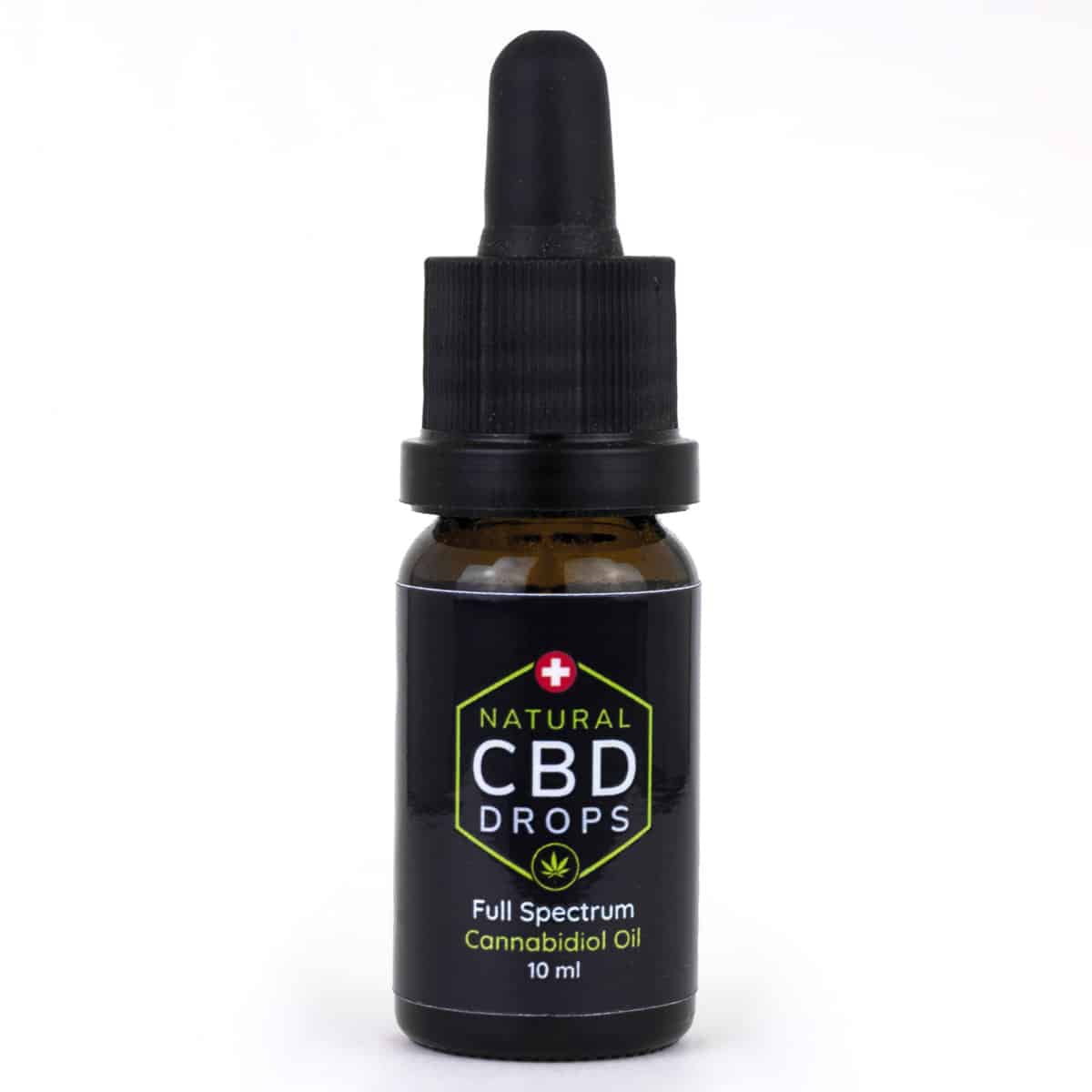
No CBD throughout regular foods/cosmetics outdoors the cannabis technique.
Domestic flights: legal within limits; boundaries: absolutely no CBD.
Medical routes can be found (licensed sellers, and also a prescription CBD drug for specific seizure conditions).
Pets: vet CBD products aren’t broadly authorized yet; Health Canada will be consulting on the limited pathway.
