
The Role of Marijuana Seeds in Breeding New Strains: Checking out Hybridization and Innovatio
Marijuana cultivation has progressed substantially over the many years, and at the heart of this evolution lies the complex science of breeding new strains. The important to this method is cannabis seeds, which serve as the genetic starting up stage for generating various and exclusive varieties of hashish. This posting delves into the part of cannabis seeds in breeding new strains, the methodologies breeders use, and the intricate science driving hybridization.
Understanding Marijuana Seeds and Their Genetic Potential
Cannabis seeds are the reproductive units of the cannabis plant, carrying the genetic blueprint of the two father or mother crops. Each seed has a special blend of genes that establish the plant’s traits, these as cannabinoid profile, terpene information, growth habits, and resistance to pests and conditions. These genetic traits are important for breeders aiming to establish new strains with specific attributes.
The Breeding Procedure: From Choice to Stabilization
The procedure of breeding new marijuana strains includes several ways, just about every demanding careful range and specific execution:
Range of Mum or dad Plants: The breeding procedure begins with deciding upon mother or father crops that show desirable traits. These qualities might contain higher THC or CBD content, exceptional flavors and aromas, resistance to environmental stressors, or certain expansion designs. By picking out dad or mum plants with complementary qualities, breeders can purpose to mix these qualities in the offspring.
Pollination and Seed Manufacturing: After the guardian plants are picked, pollination is facilitated. This can be carried out the natural way or by way of managed hand-pollination in a breeding software. Female plants are pollinated with male pollen, ensuing in the generation of seeds. Each individual seed carries a combine of genetic substance from both moms and dads, top to variability in the offspring.
Expanding and Evaluating Progeny: The seeds manufactured are then germinated, and the resulting plants (progeny) are grown to maturity. Breeders evaluate these vegetation for the preferred attributes. This move is critical as it decides which crops exhibit the finest combination of features from the mother or father vegetation.
Collection and Backcrossing: The greatest-undertaking vegetation are selected and could be backcrossed with one of the parent vegetation or crossed with a further plant exhibiting similar traits. Backcrossing assists stabilize specific traits by reinforcing the ideal genetic traits in subsequent generations.
Stabilization and Inbreeding: Via multiple generations of breeding and assortment, the new strain will become stabilized, meaning it regularly expresses the preferred traits. Inbreeding (crossing crops in the same genetic line) is often utilised to reach this security.
Hybridization: Generating Exceptional and Strong Strains
Hybridization is the process of crossing two genetically distinct crops to deliver a hybrid that displays features from each mother and father. This method has led to the progress of several of the popular marijuana strains available these days. Hybrid strains can be Indica-dominant, Sativa-dominant, or balanced, relying on the characteristics of the guardian crops.
F1 Hybrids: The initial technology of a cross amongst two different strains is acknowledged as F1 hybrids. These hybrids are likely to show hybrid vigor, or heterosis, where the offspring present improved development and functionality as opposed to the mother and father. F1 hybrids often have far more robust health and fitness, elevated resistance to ailments, and in some cases even greater cannabinoid generation.
Polyhybrids: When breeders cross two hybrid strains, the resulting offspring are regarded as polyhybrids. This technique enables breeders to combine a larger sized pool of genetic product, increasing the likely for finding new and unique features.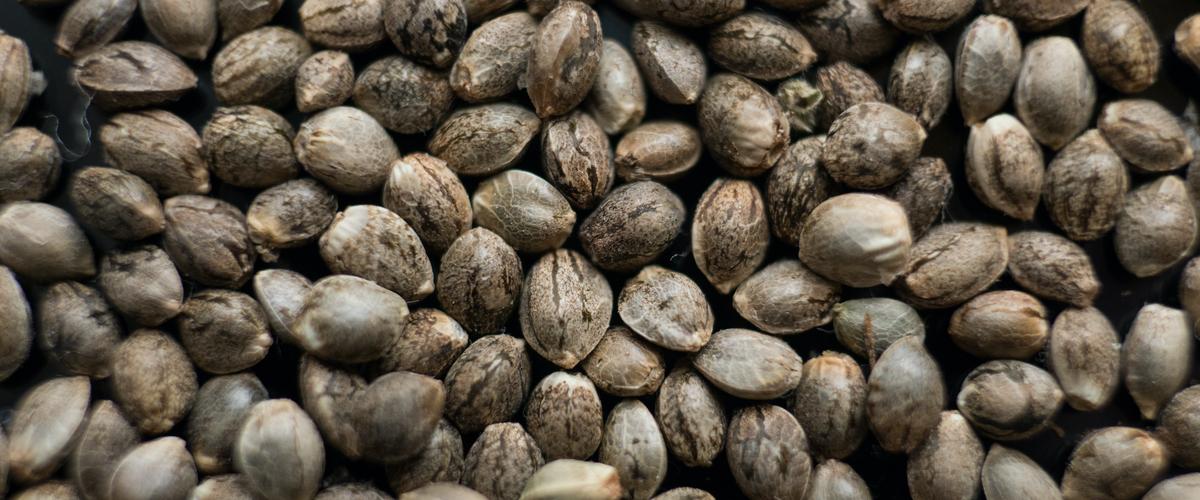
Landrace Strains: Some breeders also get the job done with landrace strains, which are indigenous hashish types that have tailored to specific geographic spots. These strains usually have one of a kind and steady genetic characteristics that can be applied to introduce new traits into hybrid strains.
The Science At the rear of Hybridization: Genetic Rules and Procedures
Breeding new marijuana strains is grounded in genetic ideas and makes use of state-of-the-art methods to accomplish ideal results. Knowledge the science behind hybridization is critical for successful breeding.
Mendelian Genetics: The rules of Mendelian genetics, which explain how characteristics are inherited from dad and mom to offspring, variety the basis of hashish breeding. Characteristics are decided by alleles, which are distinctive types of a gene. Breeders use these ideas to predict the probability of certain features appearing in the progeny.
Quantitative Trait Loci (QTL) Mapping: This procedure requires identifying particular areas of the genome that are connected with particular features. By mapping these loci, breeders can pick parent vegetation that possess the genetic markers connected to the sought after attributes, rising the performance and precision of the breeding system.
Genetic Engineering and CRISPR: Developments in genetic engineering, which include CRISPR engineering, are beginning to influence cannabis breeding. These strategies allow for for the immediate modification of the hashish genome, enabling the introduction or removal of certain genes. This degree of precision can speed up the enhancement of new strains with targeted attributes.
Phenotyping and Genotyping: Phenotyping requires evaluating the physical and biochemical traits of a plant, even though genotyping analyzes the plant’s genetic make-up. By combining these approaches, breeders can greater understand the relationship concerning a plant’s genotype and its phenotype, allowing for a lot more informed selection selections.
Troubles and Future Directions in Cannabis Breeding
Irrespective of the advances in cannabis breeding, a number of issues continue to be. One of the key troubles is the complexity of the hashish genome, which is really variable and polyploid, which means it has multiple sets of chromosomes. This complexity helps make it tricky to predict how features will be inherited and expressed.
A different problem is the authorized landscape encompassing hashish. In numerous areas, limitations on cannabis cultivation and investigation limit the means to conduct breeding courses. Even so, as legalization spreads, alternatives for investigate and enhancement are increasing.
This Site of hashish breeding retains fantastic promise, with a number of fascinating directions on the horizon:
Terpene and Cannabinoid Optimization: Breeders are significantly concentrating on optimizing terpene and cannabinoid profiles to produce strains with certain outcomes and flavors. This consists of producing high-CBD strains for medicinal use and strains with unique terpene mixtures for novel sensory encounters.
Ailment Resistance and Environmental Adaptation: As local weather adjust and environmental stresses turn into much more commonplace, breeding strains that are resistant to ailments and adaptable to numerous developing disorders will be critical.
Autoflowering and Feminized Seeds: The growth of autoflowering and feminized seeds has revolutionized hashish cultivation by simplifying the escalating system. Autoflowering strains flower based mostly on age relatively than light-weight cycle, although feminized seeds make sure that all vegetation are woman, maximizing yield.
Integrative Breeding Strategies: Combining regular breeding procedures with present day genetic tools and biotechnologies will permit much more specific and effective growth of new strains. This integrative method will likely guide to immediate enhancements in the variety and high quality of cannabis strains accessible.
Conclusion
Cannabis seeds engage in a pivotal purpose in the breeding and development of new cannabis strains. Through cautious choice, hybridization, and the application of genetic concepts, breeders can generate strains with exclusive and appealing features. The science behind cannabis breeding is continually advancing, promising even better innovation and range in the foreseeable future. As the legal and social landscape surrounding hashish evolves, so as well will the likely for acquiring novel strains that cater to a broad array of medicinal, leisure, and industrial apps
